How Can Apparel Made from Recycled Plastic Bottles Be So Soft?
Introduction
When people hear that a T-shirt or hoodie is made from recycled plastic bottles, their first reaction is often disbelief. How can something originally used to hold soda or water be transformed into soft, comfortable fabric? The truth is, advancements in textile technology have made it possible to create high-quality, ultra-soft apparel from recycled plastic without sacrificing comfort. Let’s break down the process and debunk the myths surrounding recycled polyester.
The Science Behind Recycled Polyester
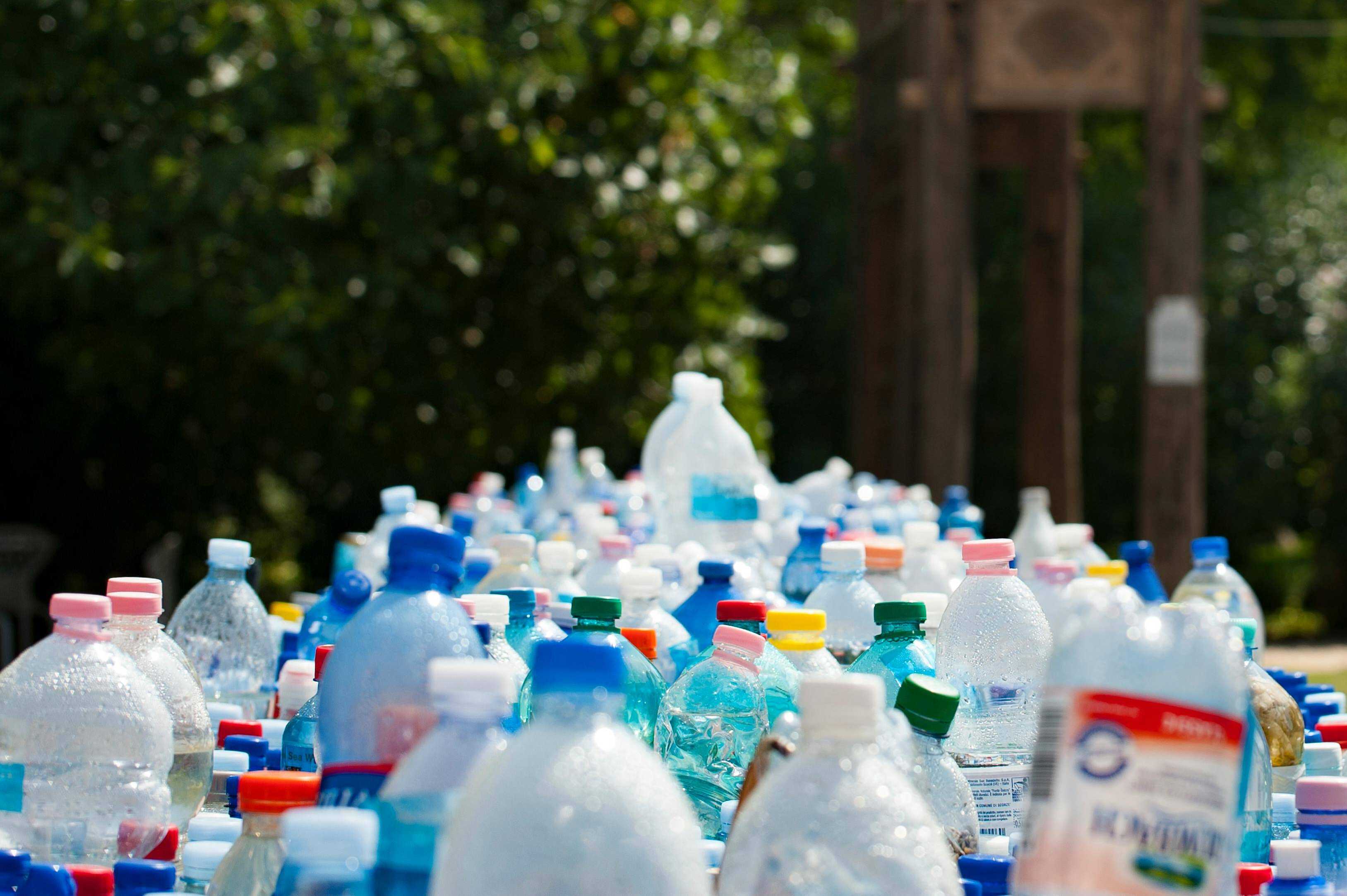
Recycled polyester, often labeled as rPET, starts its journey as plastic bottles collected from recycling programs. These bottles go through a series of steps to become fabric:
- Collection and Sorting: Plastic bottles are collected and sorted by type and color.
- Cleaning and Shredding: The bottles are cleaned thoroughly to remove labels and residues, then shredded into tiny plastic flakes.
- Melting and Spinning: The flakes are melted down and reformed into fine polyester fibers, which can be spun into yarn.
- Weaving into Fabric: The yarn is then woven or knitted into soft and durable fabric, ready to be used for apparel.
Why Recycled Polyester Feels Soft
Many people assume that fabric made from plastic bottles would feel stiff or rough. However, thanks to advancements in textile engineering, recycled polyester is just as soft—if not softer—than virgin polyester. Here’s why:
- Fine Fiber Production: The melting and extrusion process allows manufacturers to create ultra-thin, high-quality fibers that contribute to a smooth texture.
- Blending with Other Materials: Recycled polyester is often blended with organic cotton, rayon, or spandex, adding softness and flexibility.
- Advanced Weaving Techniques: Modern fabric finishing techniques, such as brushing and sanding, enhance the softness and breathability of the fabric.
Environmental Benefits of Recycled Polyester
Beyond its softness, recycled polyester has significant environmental advantages:
- Reduces Landfill Waste: Millions of plastic bottles are diverted from landfills and repurposed into apparel.
- Conserves Water and Energy: Producing rPET uses significantly less water and energy compared to virgin polyester.
- Lowers Carbon Emissions: The process cuts down greenhouse gas emissions by reducing the need for new petroleum-based polyester production.
Common Myths About Recycled Fabric
Despite the benefits, there are still misconceptions about recycled polyester:
- “It must feel rough and plastic-like.” In reality, the processing methods used ensure that recycled polyester is soft, breathable, and comfortable to wear.
- “It’s not as durable as regular fabrics.” Recycled polyester is just as strong and long-lasting as virgin polyester, making it a great choice for activewear, everyday fashion, and branded apparel.
- “It’s not truly sustainable.” While no fabric is perfect, rPET significantly reduces environmental impact by utilizing existing plastic waste instead of creating new synthetic materials.
Why Choose Recycled Apparel?
If you’re looking for a sustainable wardrobe choice that doesn’t compromise on comfort, recycled polyester apparel is a great option.
- Comfort & Performance: Soft, moisture-wicking, and lightweight, making it perfect for everyday wear.
- Fashion Meets Sustainability: Many brands, including Kastlfel, use design-forward techniques to create stylish apparel from recycled materials.
- Commitment to Quality: Kastlfel ensures every recycled garment meets high standards for softness, durability, and environmental responsibility.
Conclusion
Recycled polyester has come a long way from its early days. It’s now an incredibly soft, durable, and eco-friendly option that helps reduce plastic waste while offering the same (or better) comfort as traditional fabrics. Choosing recycled apparel is a small step toward a more sustainable future—without compromising on style or feel.
FAQs
Q: Is recycled polyester safe to wear?
A: Yes! Recycled polyester undergoes extensive cleaning and processing to ensure it meets high safety and quality standards.
Q: Does recycled polyester shrink or fade?
A: No, recycled polyester is resistant to shrinking and fading, making it a long-lasting choice for apparel.
Q: How can I care for recycled polyester clothing?
A: Wash in cold water with mild detergent, avoid high heat when drying, and use a microfiber filter to reduce microplastic shedding.
By making the switch to recycled apparel, you’re not just making a fashion statement—you’re making a difference.
